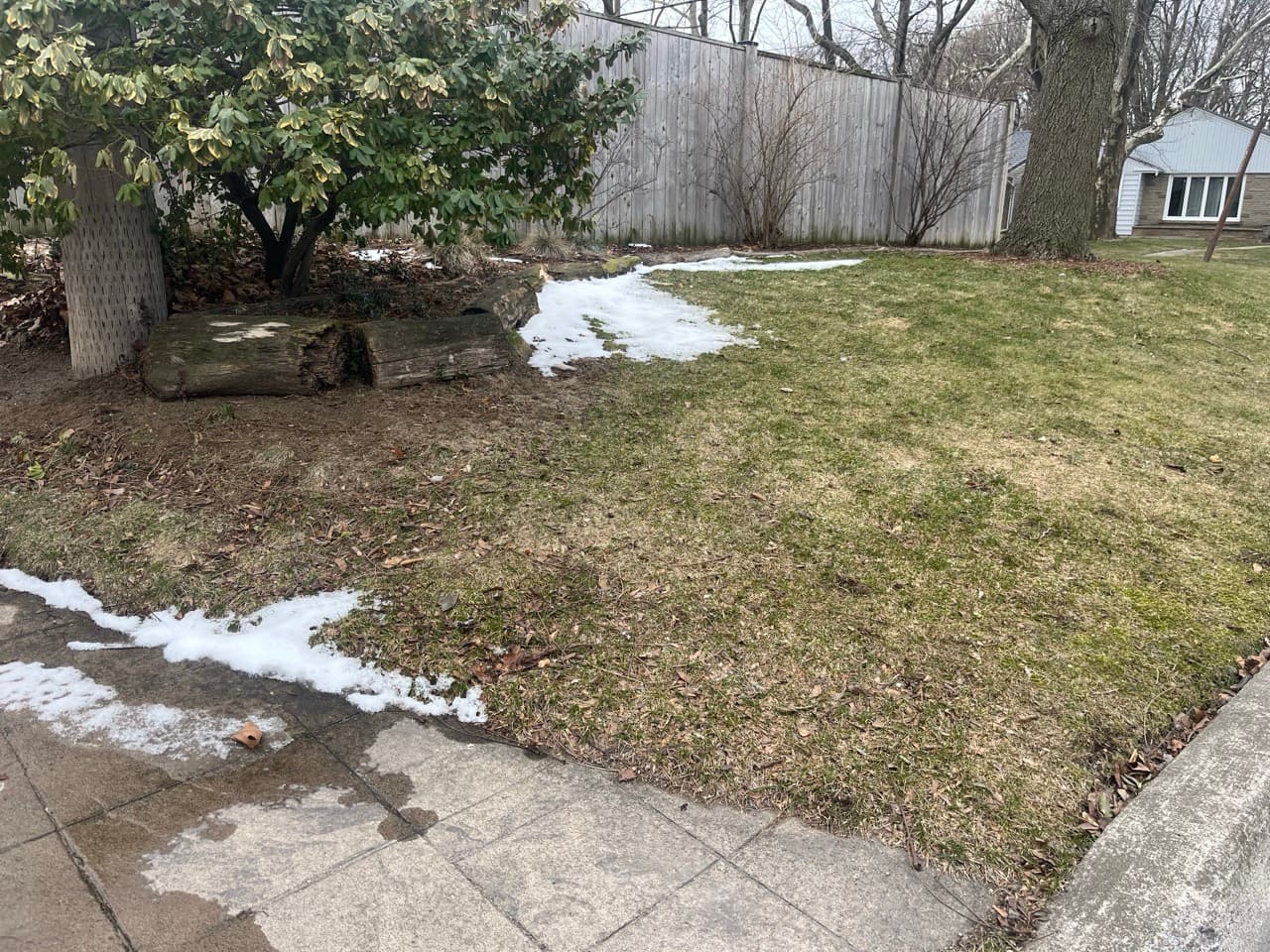
Every spring, homeowners call convinced their lawn is gone. It's brown, it's flat, and it's been buried under snow for months. Most of the time, it isn't dead — it's dormant. But sometimes it is dead, and the sooner you know, the sooner you can do something about it.
Here's how to tell the difference.
What Dormancy Actually Is
Grass goes dormant as a survival mechanism. When temperatures drop and daylight shortens, cool-season grasses like Kentucky bluegrass and fescue — which are the most common lawn varieties around St. Catharines — slow down their growth and pull energy into their root systems. The blades turn brown. The lawn looks rough. But the plant is alive.
Think of it like hibernation. The grass isn't growing, but it's not gone either. Once temperatures climb and moisture returns, it comes back on its own.
The Tug Test
The quickest way to check: grab a small handful of brown grass and tug gently. If it resists and holds in the ground, the roots are intact — the plant is alive and dormant. If it pulls out with almost no resistance, that's a problem. Dead grass loses its root structure, and it comes up easily.
Do this in a few spots across the lawn, especially in areas that look worse than others. One dead patch doesn't mean the whole lawn is gone.
Check the Crown
The crown is the white or pale section at the very base of the grass blade, just above the soil. It's where new growth originates. If you pull back a small plug of turf and the crown is firm and has a slight greenish or white tinge, the plant is alive. If it's mushy, completely brown through, or falls apart when you touch it, that section of grass is dead.
The University of Guelph Turf Program identifies crown health as the primary indicator of turf survival after winter stress — more reliable than blade colour alone.
What Kills Grass Over Winter in Niagara
Most lawns in St. Catharines don't die from cold alone — our winters rarely get cold enough to kill established cool-season turf outright. What kills grass here is usually one of three things:
Ice sheeting — when meltwater refreezes and forms a solid ice layer over the lawn, it suffocates the grass underneath. Extended ice cover cuts off oxygen to the crown and roots. This is more common in low-lying areas or spots with poor drainage.
Salt damage — road salt and sidewalk de-icers pull moisture out of the soil and damage root tissue. Lawns along driveways, curbs, or areas that get heavy salt runoff are the most vulnerable.
Snow mould — a fungal disease that develops under snow cover. It shows up as matted, greyish or pinkish patches when the snow melts. In mild cases the grass recovers on its own. In severe cases the crown is damaged and those sections won't come back.
Give It Time Before You Panic
Don't make any decisions in early spring before the lawn has had a chance to respond. Brown grass in March or early April in St. Catharines is almost always dormant. Wait until late April — once you've had a few consistent warm days and some rain — before you assess for real damage. Grass starts active growth when soil temps reach around 10°C. Until then, even healthy grass stays brown.
What to Do If Sections Are Actually Dead
If the tug test and crown check confirm dead patches, wait until the lawn is actively growing and nighttime temperatures are consistently above 10°C — typically mid-May in Niagara. Loosen the soil in dead areas, overseed with a quality cool-season mix, keep it consistently moist, and stay off it while it germinates. Most patches fill in within three to four weeks.
If the damage is widespread, get a professional assessment before spending money on seed. Salt damage, ice sheeting, and snow mould all have different solutions — treating the symptom without addressing the cause means it'll happen again next year.
The Short Version
Brown grass in spring is normal. Pull a handful — if it resists, it's alive. Check the crown — if it's firm and pale, the plant is fine. Give it until late April before you worry, and don't touch anything until the ground has warmed and the grass is clearly growing again.